Tag: king charles

  • Watch: Andrew faces New Police Investigation

    Watch: Andrew faces New Police Investigation

    Former Prince Andrew Mountbatten-Windsor faces a fresh police probe as officers investigate allegations that Jeffrey Epstein trafficked women to the royal Scottish residence, Balmoral. 

    Police Scotland has confirmed enquiries into stays at the King’s Highlands estate by the late convicted paedophile and his former girlfriend Ghislaine Maxwell, who is in jail in the US. 

    Police Scotland said: ‘We have received information and active enquiries are ongoing, but these are at a very early stage.

    ‘All enquiries are evidence led, with the needs of victim survivors at the heart of those enquiries.

    ‘We would never confirm details of ongoing enquiries and it would be inappropriate to comment further.’

    Forces including Thames Valley Police, the Metropolitan Police and Surrey Police have live investigations linked to the release of the Epstein files, the National Police Chiefs’ Council (NPCC) confirmed.

    The NPCC said: ‘Identifying any further potential offending, suspects, victims or witnesses is a complex process and will take time, but UK policing remains committed to carrying out a meticulous assessment of the material released by the US Department of Justice.’

    Andrew and Maxwell are said to have flown to Balmoral in 2006 on a private jet owned by Epstein.  Epstein and Maxwell were reportedly regular guests at royal residences in the late 1990s and early 2000s.

    The Daily Express reported that the inquiries related to claims that women were trafficked to the estate.

    Andrew denies any wrongdoing.

    Pictures previously released by the Department of Justice in the US appeared to show Andrew and Epstein on a shooting trip on the grounds of the sprawling residence.

    Located in the Scottish Highlands, Balmoral Castle has belonged to the Royal Family since 1852 when Queen Victoria and Prince Albert acquired the estate.

    The castle has been described as “a treasured retreat for the Royal Family” and was where Queen Elizabeth II died at the age of 96 in 2022.

  • Why King Charles’ Bahamas Speech Matters So Much

    Why King Charles’ Bahamas Speech Matters So Much

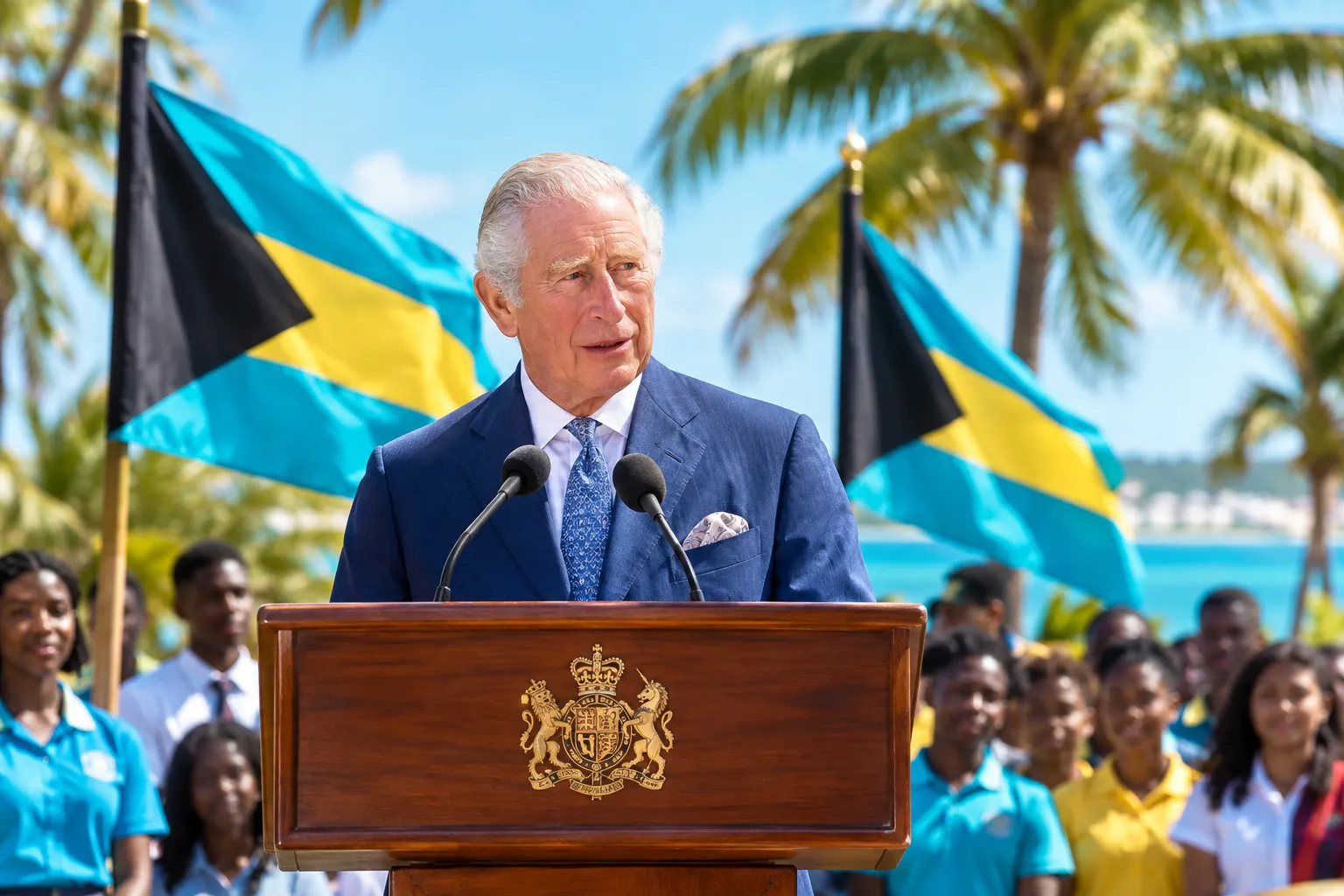
    A monarch standing on the exact ground where a Caribbean nation declared its freedom from the British Crown is not a small gesture. That is precisely where King Charles chose to speak. King Charles to Address ‘Great Suffering’ of Slavery in Key Bahamas Speech became a defining moment of his Caribbean tour, delivered at Clifford Park in Nassau, the historic site of Bahamian independence [1][2].

    The speech, given on 27-28 October 2026, placed the King in the uncomfortable but necessary position of confronting the legacy of transatlantic slavery directly, even as Buckingham Palace carefully managed what he could and could not promise [3].

    Key Takeaways

    • King Charles delivered his first major Caribbean tour address at a youth rally in Nassau, linking Bahamian culture to the pain of slavery [2][4].
    • He stopped short of a formal apology and ruled out financial reparations, following UK government guidance [5][6][7].
    • The Bahamas stop opened a tour continuing to Guyana and then Antigua and Barbuda for CHOGM [6].
    • Caribbean leaders and activists are intensifying demands for apology and compensation [6][7].
    • The speech builds on earlier remarks in Barbados (2021) and Rwanda (2022) expressing sorrow over slavery [6].

    Royal watchers have called this one of the most politically delicate trips of Charles’s reign. He represents both the modern Commonwealth, built on voluntary partnership, and the monarchy that once presided over an empire built partly on forced labor [7].

    Why This Bahamas Speech Matters So Much

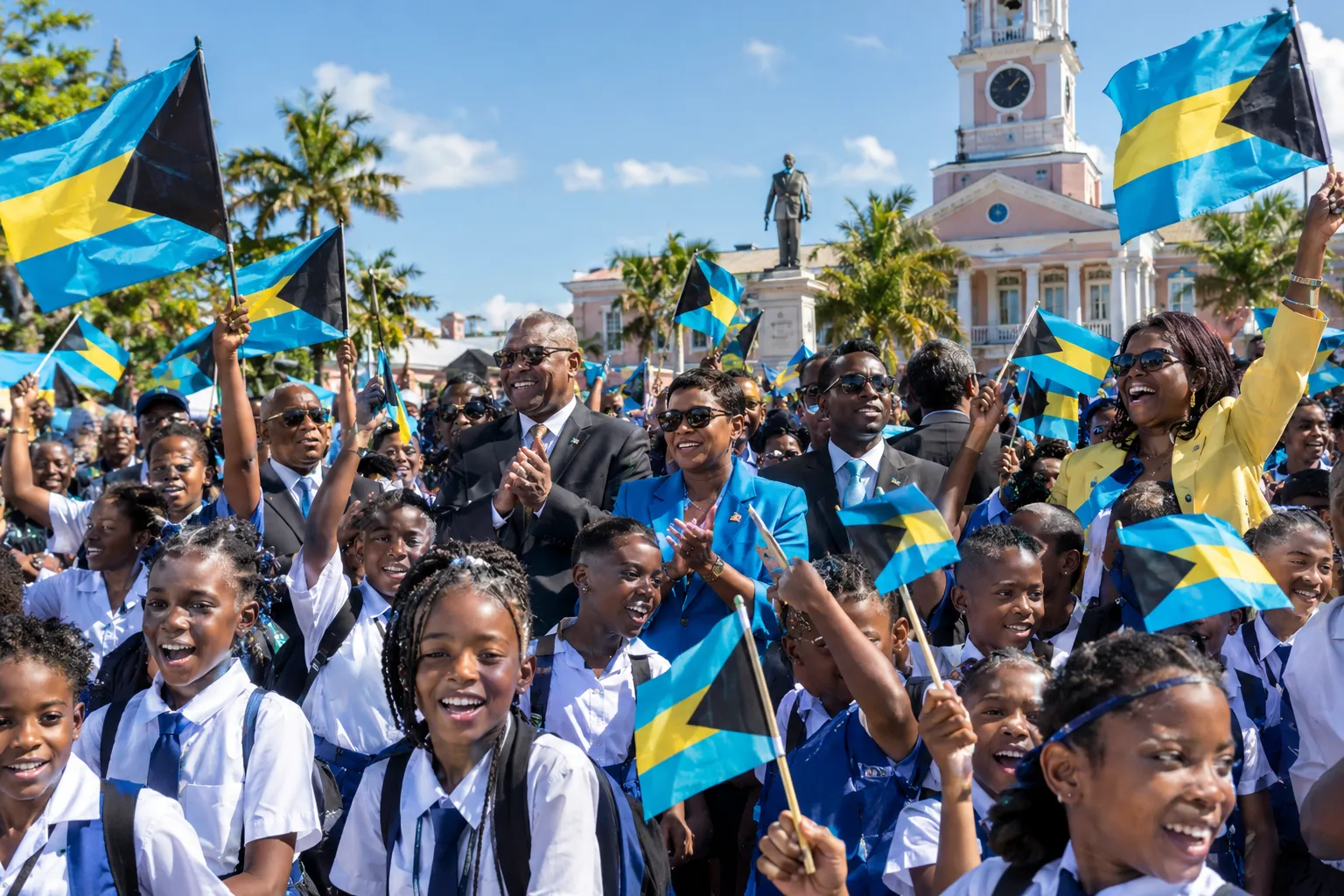
    At Clifford Park, Charles told the crowd that “some of what is best in Bahamian culture today, the most joyful, the most hopeful, the most bright, was born out of darkness” [2][3][4][8]. Reports describe schoolchildren and youth groups responding with enthusiastic cheers, even as commentators noted that cultural tribute is not the same as accountability [1][3][8].

    The Careful Line Between Acknowledgment and Apology

    Despite the emotional language, the King did not apologize for Britain’s role in the slave trade. Buckingham Palace and the UK Foreign Office coordinated closely beforehand to ensure his words stayed within constitutional limits, since any formal apology or reparations commitment would bind government policy, not just royal sentiment [5][6][7].

    This is not new territory for Charles. Key prior statements include:

    • Barbados, 2021: slavery was an “appalling atrocity” that “forever stains our history” [6].
    • Rwanda, 2022 Commonwealth summit: he expressed “deep personal sorrow” over the trade’s impact [6].
    • Bahamas, 2026: he described “great suffering” while linking it to present-day resilience and global struggles, saying “our world cries out for healing” [1][2][8].

    Each statement edges closer to acknowledgment without crossing into apology or financial commitment. According to Reuters, this pattern reflects a calibrated strategy: recognize pain, praise survival, but avoid pledges that could trigger legal or financial consequences for the UK government [6].

    Mounting Pressure From the Caribbean

    The timing of this speech is no accident. Caribbean nations have organized increasingly vocal campaigns for reparations, and the Bahamas visit landed in the middle of that pressure [6][7]. Civil society groups and some government officials argue that words alone, however emotionally resonant, cannot substitute for financial redress or a full apology [7].

    The Telegraph and other outlets have framed this moment as a test of how far the monarchy can go in confronting its colonial past while still protecting the institution’s political neutrality [6].

    What Comes Next on the Caribbean Tour

    The Bahamas leg was only the opening chapter. The King’s itinerary continued as follows:

    • The Bahamas: 27-29 October 2026
    • Guyana: 29-30 October 2026
    • Antigua and Barbuda: 1-4 November 2026, for the Commonwealth Heads of Government Meeting (CHOGM)

    CHOGM is expected to be the sharpest flashpoint. Caribbean delegations are likely to press reparations and apology demands directly during summit discussions, putting Charles and Commonwealth leaders under renewed scrutiny [5][6][7].

    Climate and Colonial History Intertwined

    Notably, Charles connected the legacy of slavery to his long-standing concern for climate vulnerability in low-lying Caribbean nations. His remark that “our world cries out for healing” tied historical injustice to present environmental threats facing the same islands once exploited for plantation economies [1][2][8]. This linkage reflects a broader theme in his reign: framing colonial history and modern global crises as connected struggles requiring shared responsibility.

    King Charles to Address ‘Great Suffering’ of Slavery in Key Bahamas Speech marks a significant, if incomplete, step in the monarchy’s reckoning with its colonial past. The King acknowledged pain without apologizing, praised resilience without promising reparations, and set the stage for tougher conversations ahead at CHOGM. For readers following this story, the next milestone to watch is Antigua and Barbuda in early November 2026, where Caribbean leaders are expected to push harder for concrete action rather than symbolic words.

    References

    1. Cmwyv8ld22z1o. bbc.co.uk.
    2. Charles Tackles Thorny Legacy Slavery Caribbean Trip. afp.com.
    3. King Acknowledges Great Suffering of the Past During Visit to Caribbean 173521. suffolknews.co.uk.
    4. King Charles Caribbean Tour Arrival Bahamas Great Suffering Past 20261028 P619an. nine.com.au.
    5. Article317793169. charlotteobserver.com.
    6. King Charles Heads Caribbean Calls Slavery Reparations Grow 2026 10 27. reuters.com.
    7. King Charles Symbol Entangled Past Redress Slavery Caribbean Tour Says Former Bbc Reporter 12196479. people.com.
    8. King Begins Caribbean Tour. thenewdaily.com.au.
  • Watch: Piers Morgan Savages Harry’s Reconciliation Aim

    Watch: Piers Morgan Savages Harry’s Reconciliation Aim

    Prince Harry has spoken of how he would like to “reconcile” with his family.

    He made the comments in an interview with GQ magazine, recorded in New York in September and released today.

    Describing his relationship with the royals, Harry said: “Some people don’t want it to work out. I want it to work out.”

    Harry went on: “With everything else that’s going on in the world, the most important thing is to reconcile – that’s the key point.

    “Scars stick around forever. But what your perception is, and what your mindset is to those things that have happened, letting go of the past, that’s something that I would encourage everybody to do.

    “If there [are] certain things from the past that are still affecting you every day, that’s harder to let go of. But, for me, there’s enough drama in the world and enough drama in people’s lives to continue with issues with family.”

    Following the interview, a spokesman for the Sussexes said it was “absolutely not intended as a swipe at his brother or any other member of his family. The comment was made in a general context and was not directed at his family in any way.”

    Watch

    GQ Magazine shared the exclusive interview clip and wrote: “Prince Harry opens up about his relationship with his father and brother: “’With everything else that’s going on in the world, the most important thing is to reconcile.’”

    Piers Morgan shared the clip and wrote: “Flame-thrower wants to make peace with the people whose houses he torched and is baffled they’re not interested…”

    Do you agree with this comment?

    “Harry preaching reconciliation is like an arsonist offering fire safety lessons. After Spare, Netflix, endless interviews and years of publicly airing family grievances, he’s suddenly discovered the importance of making peace. How touching. Here’s a revolutionary idea, Harry: Stop discussing your family’s private affairs with journalists and try speaking to your family privately.”

    While over at the royal family’s social media space, it was a celebratory feeling. The official account wrote: “Finishing touches ahead of this evening’s State Banquet… ✨

    “Tonight, The King and Queen will host a State Banquet for the Sultan of Oman at Windsor Castle.

    “☕️ Inspired by the Omani ritual of Kahwa, a collection of special teas will be served.

    “While Kahwa is traditionally a spiced coffee, the concept has been adapted to draw on the long-standing British love of tea while preserving the aromatic spices and flavours that make Kahwa so distinctive: fragrant cardamom, delicate rose, sweet dates, and gentle warming spices.

    ‘Guests will be invited to choose from an Iced Earl Grey & Date, an Iced Mint & Rose, or a Warm Cardamom-Spiced Blend sweetened with Windsor Honey.

    ‘Together, they reflect the warmth and hospitality shared by both Omani and British traditions.”

  • King Charles Faces Biggest Test as Monarch

    King Charles Faces Biggest Test as Monarch

    King Charles III’s upcoming visit to the Caribbean will focus on the longstanding relationship between Britain and Guyana rather than being defined solely by the debate over slavery reparations, Guyana’s President, Dr Irfaan Ali, has said.

    The King is due to undertake a high-profile Caribbean tour later this month, including a visit to Guyana and an official Realm Visit to the Bahamas. The trip comes amid renewed calls for Britain to address the lasting consequences of slavery and colonialism through reparatory justice.

    President Ali has called for a mature and constructive discussion about reparations, arguing that the issue should focus on addressing the deep-rooted inequalities created by slavery rather than being portrayed as a demand for financial payback or charitable assistance.

    Speaking ahead of the King’s visit, Dr Ali said the monarch would receive a warm welcome in Guyana, highlighting the country’s tradition of hospitality and the King’s longstanding engagement with the nation.

    He reaffirmed Guyana’s commitment to pursuing reparations, describing slavery as one of the greatest indignities inflicted on humanity. However, he emphasised that the royal visit encompasses a much broader relationship between the two countries.

    According to the Guyanese president, the visit should also be understood in the context of the King’s environmental advocacy, his support for Guyana’s international profile and the shared interest in protecting forests, addressing climate change and promoting sustainable development.

    The Continuing Debate Over Slavery Reparations

    The question of reparations remains a sensitive issue across the Caribbean, where campaigners and political leaders have called on Britain and other former colonial powers to acknowledge the enduring consequences of slavery.

    Guyana’s history is deeply connected to the transatlantic slave trade. Under Dutch and later British colonial rule, tens of thousands of enslaved Africans were transported to the territory and forced to work on plantations, particularly in the sugar industry. The brutal conditions, exploitation and lasting social inequalities of that period continue to shape discussions about historical responsibility.

    Reparations advocates argue that the effects of slavery did not end with emancipation. They maintain that the economic disadvantages, racial inequalities and institutional legacies created during centuries of colonial exploitation continue to affect Caribbean societies.

    Proposals for reparatory justice vary considerably. Some campaigners advocate direct financial compensation, while others support investment in education, healthcare, economic development, cultural restoration and other programmes intended to address the long-term consequences of slavery.

    In the Bahamas, campaigners have urged the King to ensure that his visit is accompanied by meaningful action rather than symbolic gestures alone.

    Nevertheless, British government ministers have given no indication that the King will be asked to issue a formal apology or offer financial compensation to Caribbean nations.

    Britain Maintains Its Position on Financial Compensation

    The UK Government continues to reject calls for financial reparations for historical slavery. Officials argue that Britain has no legal obligation to provide compensation for historical acts, particularly where those acts were not unlawful under the international legal framework of the time.

    The Foreign, Commonwealth and Development Office has reiterated that the Government will not pay financial reparations, while acknowledging the horrific nature of the transatlantic slave trade and the continuing effects of its legacy.

    Concerns have also been raised within government circles about the legal implications of a formal apology. Some officials fear that such a statement could strengthen claims for compensation and establish a precedent for similar demands from other former colonies.

    Britain’s extensive colonial history means that any change in its position could have implications well beyond Guyana and the Caribbean.

    The Government’s stance has frustrated reparations campaigners, who argue that acknowledging historical suffering is not enough without concrete measures to address its consequences. They maintain that a meaningful response should recognise the connection between historical exploitation and present-day development inequalities.

    The King’s Constitutional Position

    Buckingham Palace has emphasised that King Charles acts on the advice of the elected government in accordance with the UK’s constitutional arrangements.

    This means that decisions concerning an official government apology or financial reparations are matters for ministers rather than the monarch acting independently.

    However, royal officials have highlighted the King’s longstanding engagement with Commonwealth communities, educational initiatives and environmental causes.

    His support for young people through The King’s Trust, alongside his involvement in Commonwealth education programmes, has been presented as part of his wider commitment to improving opportunities and addressing inequality.

    The King has also previously expressed sorrow over aspects of the history of slavery and colonialism. Palace sources have indicated that the visit could provide an opportunity to reaffirm his personal commitment to confronting historical injustices without making a formal apology, which remains a matter for the Government.

    Environmental Cooperation Offers Common Ground

    Despite the continuing disagreements over reparations, the King’s visit is expected to highlight areas of cooperation between Britain and Guyana.

    Environmental protection is particularly significant. Guyana possesses extensive rainforest ecosystems that play an important role in biodiversity conservation and climate regulation. The country’s efforts to protect its forests and develop sustainable economic opportunities have attracted international attention.

    King Charles has spent decades campaigning on environmental issues, including rainforest conservation, climate change and the protection of Indigenous communities.

    For many people in Guyana, these areas of shared interest remain an important part of the relationship between the monarch and the country.

    President Ali’s remarks suggest that the visit should be viewed in the context of this broader partnership, encompassing environmental protection, international cooperation and development, alongside the difficult questions surrounding slavery and reparatory justice.

    A Visit Shaped by History and the Future

    The King’s Caribbean tour comes at a time when questions of historical responsibility remain firmly on the political agenda. While Guyana continues to advocate for reparations, its president has made clear that the royal visit should not be reduced to a single issue.

    The challenge for Britain will be to acknowledge the suffering caused by slavery and its lasting consequences while navigating the Government’s refusal to provide financial compensation.

    For campaigners, the central question remains whether expressions of regret and commitments to future cooperation can adequately address the historical injustices experienced by enslaved people and their descendants.

    For Guyana, the visit offers an opportunity to strengthen international partnerships, promote environmental priorities and continue pressing for a serious discussion about reparatory justice.

    Ultimately, the significance of the tour will depend on whether the dialogue surrounding historical injustice can lead to a deeper understanding of the past and meaningful cooperation in addressing inequalities that persist today.

  • Why Camilla Finds Charles’ Habit So Off-Putting

    Why Camilla Finds Charles’ Habit So Off-Putting

    Even royal life comes with its little irritations! Queen Camilla has lifted the lid on a surprisingly ordinary evening ritual with King Charles — and revealed the one thing her husband does that can leave her tearing her hair out.

    Forget royal scandals and palace drama. This time, the culprit is a good book, a quiet evening and a King who simply cannot stop himself from bursting into laughter!

    In a candid moment from the BBC documentary The Book That Changed My Life, Camilla reveals that she and Charles enjoy sitting together and reading before dinner at Clarence House. But their peaceful routine comes with one rather noisy twist: the King’s sudden fits of laughter can completely ruin her concentration.

    And while most people might simply tell their other half to keep the noise down, Camilla has admitted that Charles’ unexpected outbursts can leave her struggling to get back into her own book.

    Key Takeaways

    • Queen Camilla has revealed the amusing habit King Charles has during their quiet pre-dinner reading sessions.
    • The royal couple enjoys reading together at Clarence House before sitting down to dinner.
    • Camilla admits the King’s sudden bursts of laughter are “very off-putting” and can leave her in tears.
    • Charles reportedly enjoys biographies and the hilarious comic novels of P. G. Wodehouse.
    • Despite her playful complaint, Camilla describes their shared reading time as a lovely, peaceful part of their day.

    King Charles’ Quiet Evening Routine Has One VERY Loud Twist!

    You might imagine that life behind palace doors is all formal dinners, strict schedules and royal protocol. But it seems that even the King and Queen enjoy the same simple pleasures as millions of couples across the country.

    Camilla has revealed that one of their favourite ways to unwind is to sit together and read quietly before dinner.

    It sounds like the perfect recipe for a peaceful evening — until Charles gets stuck into a particularly funny passage!

    According to Camilla, the King has a habit of suddenly bursting into loud laughter while she is trying to concentrate on her own book.

    And once he starts, there is apparently no guarantee that the peace will return any time soon.

    For a couple whose public appearances are usually marked by formal smiles and carefully choreographed engagements, the revelation offers a rather delightful glimpse into their private life.

    ‘VERY Off-Putting!’ Camilla’s Hilarious Complaint About Her Husband

    The Queen has not exactly hidden her feelings about Charles’ noisy reading habit.

    Camilla admits that when she is engrossed in a book, her husband’s sudden laughter can be incredibly distracting. She has described the behaviour as “very off-putting”, explaining that it can make it difficult to regain her concentration.

    And the consequences can be rather dramatic!

    Sometimes, the interruption leaves her unable to get back into the story. On other occasions, she has revealed that she finds herself in tears.

    It is not a tale of royal rows or a marriage in trouble, however. Instead, it is the sort of everyday domestic annoyance that couples everywhere will recognise.

    One partner wants peace and quiet, while the other is apparently having far too much fun to keep the noise down!

    The difference, of course, is that this particular bookworm happens to be the King of the United Kingdom.

    What on Earth Is Making Charles Laugh So Much?

    So, what could possibly be so funny that the King cannot contain himself?

    Charles is said to enjoy biographies as well as the comic novels of celebrated British author P. G. Wodehouse.

    Known for his witty dialogue, ridiculous misunderstandings and wonderfully eccentric characters, Wodehouse has delighted readers for generations. His stories are packed with farcical situations and sharp humour, making them an understandable choice for anyone looking for a good laugh.

    It is easy to imagine how a particularly amusing passage could set Charles off — even if his wife happens to be in the middle of a much more serious chapter!

    Camilla’s revelation also highlights the couple’s different reading experiences. While she is attempting to immerse herself in her own book, Charles can apparently become so entertained by his that he forgets all about keeping the noise down.

    For the Queen, it seems that having a book-loving husband comes with one unexpected downside: there is no guarantee of a quiet reading session.

    Behind Palace Doors, Charles and Camilla Are Just Like Any Other Couple

    For royal watchers, it is the ordinary nature of the story that makes it so appealing.

    Charles and Camilla have spent years attending official engagements, meeting world leaders and carrying out the responsibilities that come with their positions. Yet their evening reading ritual sounds wonderfully familiar.

    There are no grand ceremonies or extravagant celebrations involved. Just two people settling down with their books before dinner — and one of them occasionally laughing so loudly that the other loses her place.

    Camilla has described the time they spend reading together as “a lovely, quiet time”, suggesting that she genuinely values the routine despite her husband’s occasional interruptions.

    Her playful complaint does not suggest serious tension between the pair. Instead, it offers a glimpse of the comfort and familiarity that can develop in a long marriage.

    After more than two decades of marriage, it seems even a King and Queen can have those little habits that leave their other half rolling their eyes.

    Camilla’s Love of Books Takes Centre Stage

    The revelation also shines a spotlight on Camilla’s long-standing passion for reading.

    Books have played an important role in the Queen’s life, and she has become a prominent supporter of literacy and reading initiatives.

    Her account of the couple’s nightly ritual offers a personal side to that interest, showing that books are not simply part of her public work but also something she enjoys in her private life.

    The contrast between Camilla’s desire for quiet concentration and Charles’ apparently uncontrollable laughter makes the anecdote all the more entertaining.

    After all, there are few things more frustrating than losing your place in a gripping book — especially when the person responsible is sitting right beside you!

    Still, the fact that the couple continues to share the ritual suggests that Charles’ noisy moments have not put Camilla off their reading dates.

    She may not always appreciate the soundtrack, but the time together clearly remains something she treasures.

    Royal Fans Get a Rare Glimpse of Their Private Life

    The story has attracted attention because it reveals something rarely seen during official royal appearances: the small, personal moments that make up life away from the cameras.

    Rather than offering another tale of palace intrigue, Camilla’s confession presents the King as a man who can become completely carried away by a funny book.

    It is an image that feels a world away from the formal figure seen at state occasions.

    And for anyone who has ever been distracted by a partner’s noisy habits, the Queen’s confession may be particularly relatable.

    The only real difference is that most people do not have to share their reading space with a monarch!

    Queen Camilla’s candid revelation about King Charles’ pre-dinner reading habit has provided a charming glimpse into the couple’s life behind closed doors.

    Their nightly ritual may begin with the promise of peace and quiet, but the King’s love of a good laugh can quickly turn it into something rather noisier.

    Camilla might find his sudden outbursts “very off-putting”, but her affectionate account suggests that this is simply one of those familiar quirks that comes with sharing your life with someone.

    And perhaps that is what makes the story so entertaining. Behind the royal titles, public duties and palace walls, Charles and Camilla still enjoy the ordinary pleasures of sitting down with a good book.

    Although, if the King keeps laughing at the best bits, the Queen might have to start reading in another room!

  • Watch: Andrew handed huge compensation payout

    Watch: Andrew handed huge compensation payout

    Andrew Mountbatten-Windsor has been awarded £302,000 in compensation after finally surrendering the lease on his sprawling Royal Lodge mansion — but a hefty repair bill means he is still facing a multimillion-pound cost.

    The former Duke of York gave up the keys to the 30-room Windsor property after years of controversy surrounding his links to convicted sex offender Jeffrey Epstein.

    But the financial details of his departure have now emerged, revealing that Andrew was entitled to compensation for handing back the property more than 50 years before his 75-year lease was due to expire.

    The Crown Estate confirmed that the £302,000 payment was offset against a £1.8million bill for repairs and restoration work.

    That leaves the estate with a net payment of around £1.5million from Andrew.

    £300,000 Payout Despite Crumbling Mansion

    Andrew signed the lease on Royal Lodge in 2003, committing to spend £7.5million renovating the property in exchange for a £1million upfront payment and a nominal rent.

    The agreement included a clause allowing him to receive compensation if he surrendered the lease within its first 25 years.

    However, the condition of the estate became a major financial issue when the property was handed back.

    The £1.8million repair bill covered work required to return the property in line with the terms of the lease, with the compensation reducing the amount Andrew ultimately owed.

    The Crown Estate said the lease had now ended and its focus was on finding a future use for the property that would generate additional financial value for the nation.

    Royal Lodge Departure Follows Years of Controversy

    Andrew’s departure from the mansion followed mounting public pressure over his association with Epstein and the revelations contained in documents relating to the late financier.

    King Charles stripped his brother of his royal titles last year and ordered him to leave the Windsor residence.

    Andrew moved to the Sandringham Estate in Norfolk earlier this year, bringing an end to his long stay at Royal Lodge.

    His continued occupation of the property had attracted scrutiny, particularly over the nominal rent he paid and questions about his financial arrangements.

    Fresh Questions Over Royal Property Deal

    The financial details have also renewed interest in the terms of Andrew’s original lease.

    A National Audit Office investigation published in June revealed that he had received undisclosed private income from subletting three cottages on the Royal Lodge estate while paying a peppercorn rent.

    The arrangement raised questions about how royal residential properties are managed and the financial benefits available to their occupants.

    The Crown Estate is now considering the future of Royal Lodge, with the property expected to be marketed for a proposed new use.

    For Andrew, the final figures tell a complicated story: although he qualified for £302,000 in compensation for ending his lease early, the substantial repair costs meant the payment did not translate into a financial windfall.

    Watch

  • Andrew allies raise fresh questions over arrest as legal battle reaches High Court

    Andrew allies raise fresh questions over arrest as legal battle reaches High Court

    Allies of Andrew Mountbatten-Windsor have reportedly drawn comparisons between the former Duke of York’s arrest and the treatment of the late Lord Brittan during Operation Midland, as Andrew’s legal challenge against the police reaches the High Court.

    Andrew is taking legal action against Thames Valley Police and the Central Criminal Court over the lawfulness of search warrants that allowed officers to raid his residence on the Sandringham Estate and his former home, Royal Lodge, in February.

    The first hearing in his challenge against Thames Valley Police is due to take place at the High Court today.

    The legal action comes amid growing scrutiny over the circumstances surrounding the police investigation and the searches of Andrew’s properties. His allies have reportedly questioned the way he has been treated and have raised comparisons with the controversial handling of allegations against Lord Brittan during Operation Midland.

    However, the comparison reflects the views of Andrew’s supporters and should not be taken as an established finding by the court.

    At the same time, the case has reportedly exposed tensions surrounding Andrew’s finances and his relationship with King Charles.

    Following reports that Andrew was taking legal action against the police, sources moved to clarify that the King is “absolutely not funding” his brother’s legal challenge.

    The reported intervention has added another layer to the dispute, with questions surrounding how Andrew’s legal costs will be met as his challenge progresses.

    The King has previously been reported to have taken a firm position on providing financial support to his brother. Sources have stressed that Andrew’s legal action is separate from the Royal Family and is not being funded by the monarch.

    The High Court hearing could now provide greater clarity over Andrew’s challenge to the search warrants and the legal basis on which they were issued, while the dispute over his funding arrangements highlights the increasingly separate position he occupies within the Royal Family.

    For now, the allegations made by Andrew’s allies remain claims, and the court will ultimately determine whether the police action and search warrants were lawful.

  • Ex-Prince Andrew takes on police – here’s why

    Ex-Prince Andrew takes on police – here’s why

    EX-PRINCE Andrew has launched an extraordinary legal attack on police after his homes were raided in connection with the explosive investigation surrounding Jeffrey Epstein.

    The former Duke of York is taking Thames Valley Police to court as he attempts to challenge the search warrants used before his arrest earlier this year.

    Andrew, now known as Andrew Mountbatten-Windsor, was arrested on suspicion of misconduct in public office and questioned for hours before being released under investigation. He has denied wrongdoing and has not been charged.

    Now, in a dramatic new twist, his legal team is seeking a judicial review of the warrants that allowed officers to search his properties.

    Andrew Fights Back

    The legal challenge puts the former prince in an extraordinary position — taking on the police while an investigation into allegations surrounding his time as a British trade envoy continues.

    The allegations centre on claims that Andrew shared confidential government information with Jeffrey Epstein during his years as the UK’s special trade representative.

    Andrew denies wrongdoing.

    His lawyers are now seeking to establish whether the warrants used by police were legally valid.

    Homes Searched in Dramatic Raids

    Police searched properties connected to Andrew, including his former residence at Royal Lodge and his newer home on the Sandringham Estate.

    The searches followed his arrest in February, when detectives questioned him as part of the investigation.

    The case has since developed into a major legal confrontation, with Andrew challenging the police action through the High Court.

    If his challenge succeeds, the court could rule that the warrants were improperly obtained.

    However, legal experts have warned that even such a ruling would not necessarily bring the wider investigation to an end. Police could potentially seek fresh warrants or take other legal steps concerning material already seized.

    A Royal Legal First

    The case has been described as an extraordinary moment in royal history.

    Andrew is not simply defending himself against allegations — he is directly challenging the police investigation and the legal authority behind searches of his homes.

    The former prince has already endured a spectacular fall from royal life.

    He lost his royal titles in 2025 following years of controversy surrounding his relationship with Epstein and allegations of sexual misconduct, which Andrew has denied.

    Now his battle with police threatens to drag the scandal into another dramatic chapter.

    King Charles Draws the Line

    Adding to Andrew’s troubles, King Charles has reportedly made clear that royal funds will not be used to pay for his brother’s legal fight.

    The Palace has treated the proceedings as Andrew’s personal matter, meaning the former prince faces the financial and legal consequences himself.

    That decision underlines just how far Andrew has fallen from the centre of royal life.

    Once one of the most prominent members of the Royal Family, he is now fighting a legal battle that could determine whether police searches connected to the investigation were lawful.

    The Next Major Test

    A High Court hearing concerning Andrew’s challenge is scheduled to take place this week, with proceedings initially expected to be held privately.

    The outcome could prove hugely significant.

    For Andrew, it is a chance to challenge the legal foundations of the investigation.

    For police, it is a test of whether the warrants used in the dramatic searches of his properties can withstand scrutiny.

    And for the Royal Family, it is yet another unwelcome chapter in the extraordinary collapse of the former prince’s public standing.

  • Can Charles stop Andrew using funds for legal action?

    Can Charles stop Andrew using funds for legal action?

    Andrew Mountbatten-Windsor has begun legal proceedings against Thames Valley Police, challenging the lawfulness of search warrants used in the investigation that led to his arrest in February.

    The former Prince Andrew was arrested on suspicion of misconduct in public office following the emergence of information about his dealings with convicted sex offender Jeffrey Epstein.

    His lawyers are challenging warrants that allowed police to search his residences at Sandringham and Royal Lodge in Windsor, according to the Telegraph.

    The legal challenge comes as King Charles continues to provide financial support for his younger brother and accommodate him on the Sandringham estate.

    However, a royal source has said the King’s private financial support should not be used to fund Mountbatten-Windsor’s legal action against Thames Valley Police, but can he stop Andrew?

    The former prince is seeking a judicial review of the warrants issued ahead of his arrest. It has not been disclosed how much financial support the King provides to his brother, but the arrangement was reportedly part of the terms agreed when Mountbatten-Windsor left Royal Lodge.

    The allowance does not come from the Sovereign Grant, which provides £138 million in public funding for the monarchy. Instead, it is understood to come from the King’s private wealth, including income from the Duchy of Lancaster, private estates, investments and inheritances.

    Thames Valley Police has confirmed it is “engaged in legal proceedings in relation to warrants previously obtained from the Central Criminal Court”.

    It added: “As these legal proceedings are currently ongoing, it would be inappropriate for us to comment further.”

    Mountbatten-Windsor, who lost his titles as a prince and Duke of York over his connections to the sex offender Jeffrey Epstein, wants a judicial review to consider the legality of the search warrants.

    A court hearing on Thursday afternoon will be part of Mountbatten-Windsor’s bid to quash the warrants.

  • Harry & Meghan’s homecoming nightmare uncovered

    Harry & Meghan’s homecoming nightmare uncovered

    Prince Harry and Meghan Markle have now spent more than a month back in Britain — but their hoped-for fresh start appears to have collided with palace resistance, security headaches and relentless media attention.

    It was supposed to be a new chapter.

    Instead, Harry and Meghan’s return to England has been anything but straightforward.

    More than 30 days after the couple reportedly arrived back in Britain, the reality of life on home soil appears very different from the quiet transition some had expected.

    The couple are back — but firmly as private citizens.

    And Buckingham Palace has made one thing crystal clear: there is no royal comeback on the cards.

    PALACE DOOR ‘CLOSED’

    The biggest reality check came from the Palace.

    According to reporting from Reuters, King Charles has reconfirmed that Harry and Meghan will remain non-working royals, effectively killing off speculation about a return to official duties.

    That means no formal royal role.

    No regular state engagements.

    No representing the King on official tours.

    And no easy route back into the working monarchy.

    For Harry and Meghan, their life in Britain is therefore personal rather than official.

    And that distinction changes everything.

    THE HOMECOMING THAT NEVER HAPPENED

    When news of their return emerged in late August, there was plenty of speculation about what their new life in Britain might look like.

    Would the couple quietly rebuild family relationships?

    Would Harry spend more time near his father?

    Could Meghan establish a new foothold in Britain?

    Or might the Sussexes gradually find some kind of accommodation with the Royal Family?

    So far, none of those possibilities has developed into the dramatic royal reset some observers imagined.

    Instead, the couple’s appearances have largely been connected to charitable activities, with Harry’s Invictus work providing the clearest public focus.

    SECURITY HEADACHE

    Then there is the issue that has dogged Harry for years — security.

    As non-working royals, Harry and Meghan do not enjoy the same security arrangements as senior working members of the Royal Family.

    That has made their return to Britain considerably more complicated.

    Every public appearance brings questions about protection, movements and logistics.

    And with Harry having repeatedly made his concerns about security clear, the issue remains one of the biggest obstacles to an uncomplicated life in Britain.

    PRIVATE LIFE UNDER A MICROSCOPE

    The couple may want privacy.

    Britain, however, has shown little interest in giving them much of it.

    Their movements have continued to attract intense attention from photographers, newspapers, broadcasters and royal commentators.

    Even relatively routine appearances can become major talking points.

    For a couple attempting to establish a quieter life, that level of scrutiny can hardly be easy.

    INVictus PROVIDES A WAY FORWARD

    If there has been one clear success during the return, it has been Harry’s charity work.

    His public appearances have focused heavily on the Invictus Games, allowing him to maintain a prominent public role without formally stepping back into the monarchy.

    That distinction is crucial.

    Harry can remain visible.

    He can champion causes close to his heart.

    But he does so as Prince Harry, the private citizen and charity figure — not as a working representative of King Charles.

    MEGHAN’S OWN PUBLIC MESSAGE

    Meghan, meanwhile, has largely maintained her own public-facing approach, with social media providing a direct way to communicate with supporters.

    The message has been positive.

    The reality, however, is more complicated.

    Behind the scenes, the couple still face questions over security, family relationships, public expectations and exactly where they fit into British life.

    A ROYAL RECONCILIATION STILL OUT OF REACH?

    The biggest question remains the one that has fascinated royal watchers for years:

    Can Harry and his father truly repair their relationship?

    Commentators remain divided.

    Some believe the King’s firm position on royal duties makes a formal reconciliation unlikely.

    Others argue that a family relationship could still improve privately, even if Harry and Meghan never return to royal work.

    But there is an important distinction between family reconciliation and a royal comeback.

    The former may still be possible.

    The latter appears far more difficult.

    MORE QUESTIONS THAN ANSWERS

    After more than a month back in Britain, Harry and Meghan have yet to establish the easy new chapter some observers expected.

    Instead, their return has highlighted the difficult balancing act facing the couple.

    They are close enough to Britain to remain firmly within the royal spotlight — but far enough from the institution to have little formal role within it.

    They want privacy, yet their every move attracts attention.

    They want a life in Britain, but security remains a major concern.

    And while they remain members of the Royal Family by birth and marriage, the Palace has made clear that they are not working royals.

    SO WHAT HAPPENS NEXT?

    For now, Harry and Meghan appear to be carving out a very different kind of British life — one built around private family life, charity work and carefully controlled public appearances.

    Whether that arrangement settles into a new normal or becomes another chapter in the long-running Sussex saga remains to be seen.

    But one thing is already clear:

    Harry and Meghan came back to Britain hoping for a fresh chapter. Instead, they have found that stepping back into royal territory comes with a very old problem — the Royal Family may be nearby, but the door to official royal life remains firmly closed.